How to Use Analytics to Improve Digital Marketing Performance
A Practical Guide to Tracking Data, Measuring Campaign Success, and Optimizing Marketing Strategies
Analytics helps businesses measure and improve digital marketing performance by tracking user behavior, campaign results, and key metrics. By using tools and data insights, businesses can optimize strategies, increase engagement, and improve conversions. This guide explains how analytics supports better decision-making and helps businesses achieve more effective and measurable marketing results.
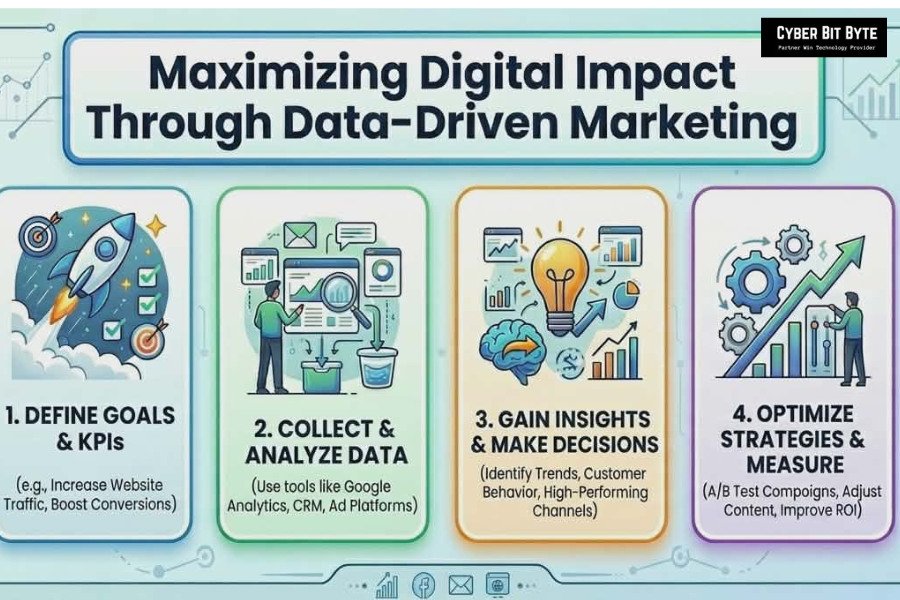
In the modern world, no marketing venture will thrive without the aid of analytics. The reason behind this is that analytical tools help businesses get insights regarding customer behavior, their current marketing campaign efficiency, and other metrics of the business development. As a result, the data-driven decision making helps businesses make sound choices.
According to research, companies that take advantage of analytical approaches are 23 times more likely to attract new customers and six times more likely to maintain existing ones. On top of that, data-driven marketing campaigns have 20-30 percent higher ROI than intuitive approaches. In light of the information above, it is obvious that the implementation of analytics is crucial for modern marketing.
What is Marketing Analytics?
Marketing analytics implies the analysis of data collected through digital marketing operations such as website traffic, social media interactions, email campaigns, and SEO optimization.
Analytics may provide information about:
- The business's audience;
- User interaction;
- Most effective campaigns;
- Areas that require improvement.
For instance, after conducting analytics, a company will be aware that its customers interact with promotions on weekdays the most frequently.
Why Is Analytics Important in Digital Marketing?
1. Data-Based Decisions
Data-based decisions eliminate guesswork. This reduces risks, makes marketing more efficient, and improves its effectiveness. It enables companies to focus their budget on the most successful campaigns rather than spending money evenly across all.
2. Optimization of Campaigns
Checking analytics constantly allows marketers to choose successful tactics and optimize unsuccessful campaigns. Using A/B testing of titles, images, or ad copies increases engagements and conversions drastically. According to research, using A/B testing can boost conversion rates up to 49%.
3. Better ROI Management
Analyzing the results of digital marketing campaigns helps businesses manage budgets effectively. The companies that use analytics to track ROI and change strategies accordingly spend ads' budgets much more efficiently than others, getting 20-30% better results.
4. Better Understanding of Customers
With the help of analytics, businesses receive information about customer behavior on websites and other digital platforms. They can improve UX, lower bounce rates, and keep visitors on web pages longer. Heatmaps can be helpful in such situations.
Important Metrics for Analysis
Here are some essential metrics that business needs to analyze for improving its performance in digital marketing:
- Website traffic – Total number of visitors and source of traffic
- Bounce Rate – Speed at which users exit from pages
- Conversion Rate – Rate at which users perform intended actions
- Click-through rate (CTR) – Rate at which users click on ads/links
- Cost of customer acquisition (CAC) – Customer acquisition cost
- Engagement rate – Likes, shares, comments
Analyzing such metrics would help businesses identify their strong areas and weak spots.
Tools for Marketing Analytics
Following are some commonly used tools for marketing analytics by businesses:
- Google Analytics – Website traffic, user behavior and conversion tracking
- Google Search Console – Search engine ranking and indexing
- Microsoft Power BI – Data visualization and trends
- Social media analytics tools (like Facebook insights, LinkedIn analytics)
Such tools will help them to get accurate information about their performance, target customers' behavior, and enhance their marketing campaigns.
Using Analytics for Maximum Effectiveness
1.Identify Goals
Having goals such as increased website traffic, lead generation, or increased sales makes it easier to identify metrics to analyze and adapt the campaigns.
2. User Behavior Analysis
Understanding how visitors navigate the website helps businesses adapt the website by placing content and ads effectively.
3. Improve Campaign Performance
Through analytics, it becomes possible to improve the campaign through personalized marketing based on consumer behavior.
4. Tailor Ads and Campaigns
Analyzing user behavior helps tailor the campaign and ads to increase engagement levels, since customers who view personalized content are 80% more likely to buy a product.
5. Test and Improve
Testing different elements of the campaign such as the landing page or the call to action button helps businesses get optimal results through constant improvement.
Best Practices
- Make sure that your data is accurate and reliable through correct setup for tracking
- Concentrate on relevant metrics rather than trying to track everything
- Balance your quantitative metrics (click-through rate, conversion rate) with qualitative information (feedback from customers)
- Utilize dashboards for trend visualization and clear reporting
Regular application of analytics guarantees business competitiveness and decision-making based on actual facts rather than assumptions.
Conclusion
The importance of analytics cannot be overstated within the digital marketing realm. The utilization of analytics through tracking, analysis of customer behavior, optimization of campaigns, and content personalization helps businesses achieve better performance, engagement, and ROI.